

Nature therapy
Nature supports wellbeing in many ways, including reducing stress, anxiety, depression, and mental fatigue, while boosting mood, immune function, energy, concentration, eyesight, and sleep. It also helps lower cortisol levels and improves emotional regulation.
Research suggests 20 minutes a day in nature benefits mental health, with two hours a week linked to higher overall wellbeing.
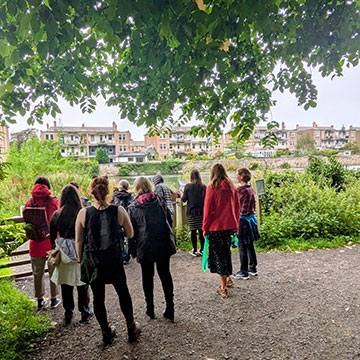
What happens during an outdoor session?
Sessions (one-to-one or group) involve walking or sitting in natural environments. Our ecotherapy practitioner will support connection or reconnection with nature to enhance your mental and physical health. This may include nature-based grounding practices, mindful observation, and exploring emotional experiences.
Sessions can be structured or simply 'walk and talk'. You and your practitioner will agree a safe, comfortable, and confidential approach tailored to your needs.
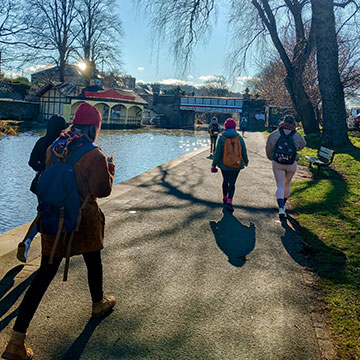
Key principles and pathways for nature connection
Nature connection involves slowing down, being present, and engaging the senses (seeing, hearing, smelling, and touch). It focuses on mindful immersion in nature.
Five pathways support this connection: senses, emotions, beauty, compassion, and meaning. Read the resources below for more information.
How can I access nature therapy support?
To try nature therapy, email wellbeingandinclusion@napier.ac.uk. You can also check the My Napier events page and My Future for updates on nature connection groups and walks.
If you are already having sessions with our wellbeing team, please speak to your practitioner if you are interested in walk and talk nature therapy sessions.
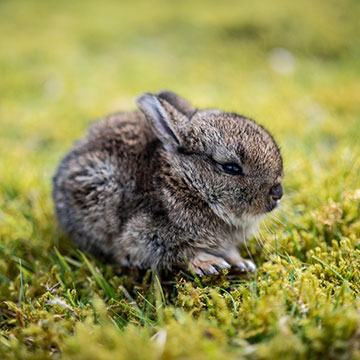
Green spaces near our campuses
- Craiglockhart campus is located right beside the east and west Craiglockhart hills and nature reserve
- Merchiston campus is located less than a half hour walk from The Hermitage of Braid Nature reserve and near the Union Canal, Harrison Park and The Meadows.
- Sighthill campus is located near Sighthill public park and a few bus/tram stops away from Saughton Park and Gardens.
You can find other walks around Edinburgh on the Visit Scotland website.
Further resources
Getting involved
Books
- Ecopsychology. Restoring the Earth, Healing the Mind (Roszak, T et al., 1995)
- Grounded: How Connection with Nature can improve our Mental and Physical Wellbeing (Ruth Allen, 2021)
- Reconnection: Fixing our Broken Relationship with Nature (Miles Richardson, 2023)
- The Blackbird’s Song & other wonders of Nature (Miles Richardson, 2024)
- The Walker's Guide to Outdoor Clues and Signs (Tristan Gooley, 2015)
Visit our Library pages to learn more about finding resources.